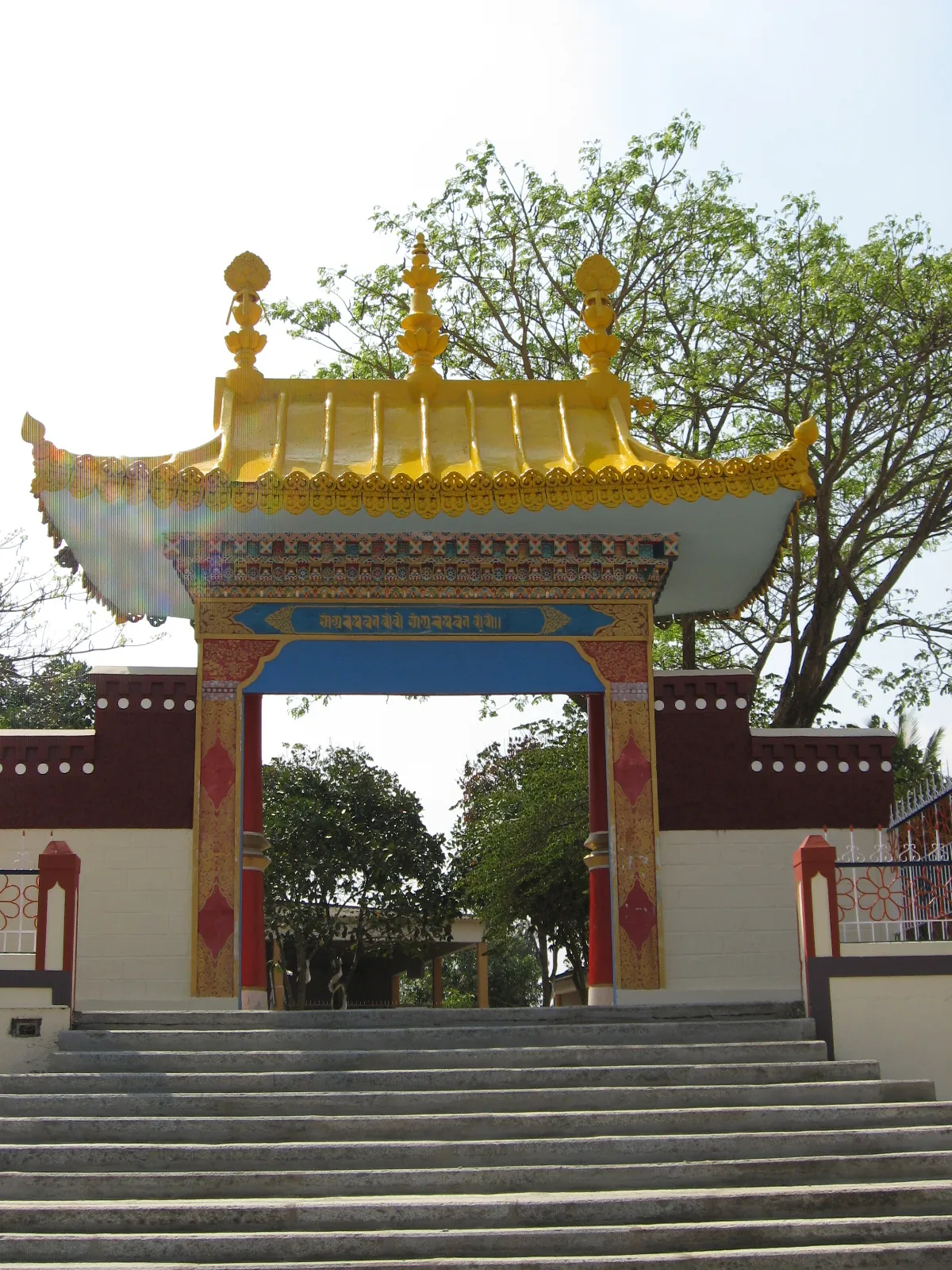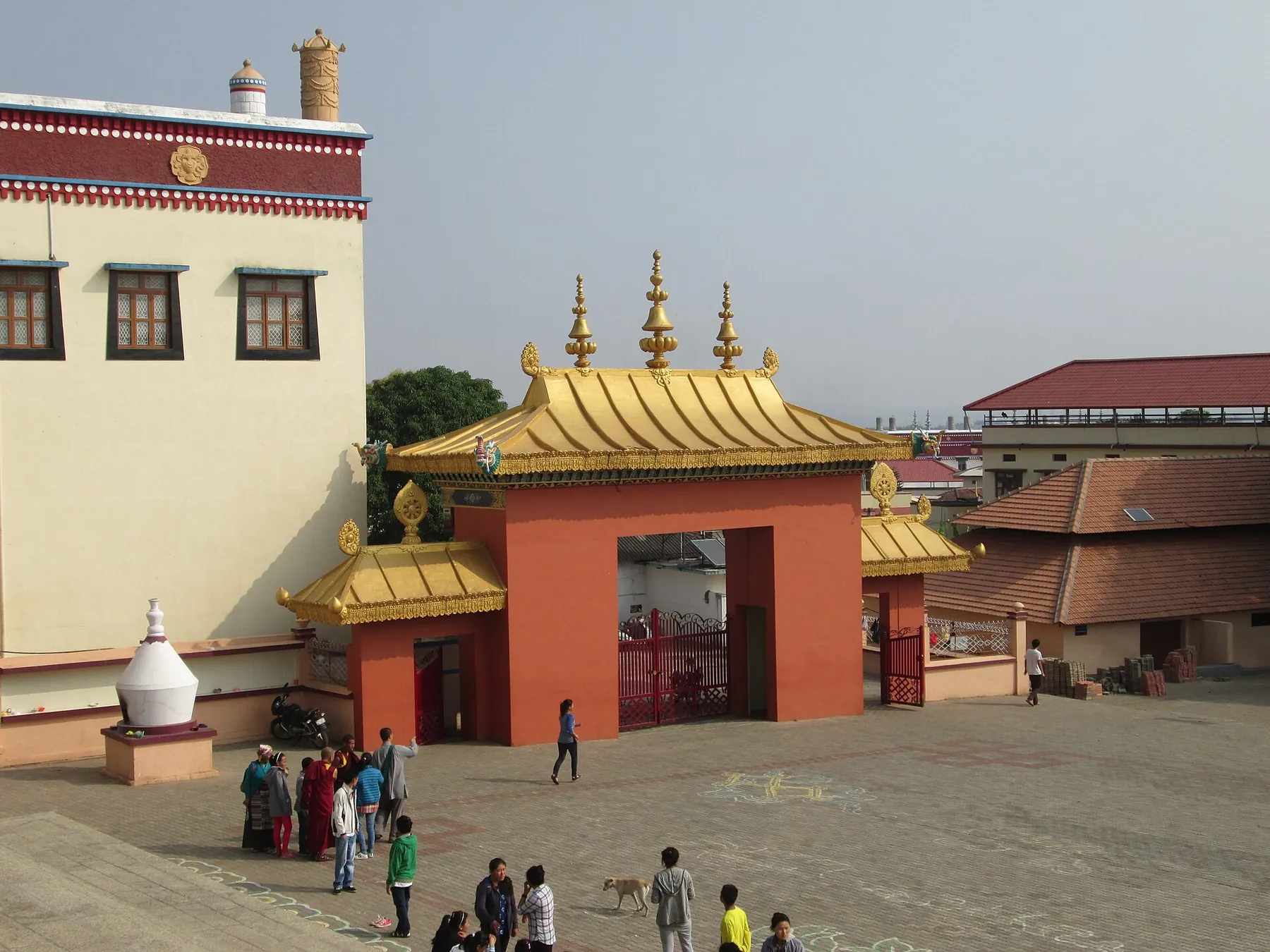
The Courtyard · Visiting
How to be a good guest at a working monastery
Sera Jey is not a heritage site. It is several thousand people’s home, school and workplace, and it is open to you anyway.
· 9 min read
Nothing here is a rule you will be told at the gate. It is the set of things that separate a visitor people are glad to see from one they are polite about.
The permit, first, and it is not a formality
Every Tibetan settlement in India is classified by the Government of India as a Protected Area. A foreign national needs prior permission from the Ministry of Home Affairs to enter one, for any reason at all, including being a tourist who has already flown to India.
Applications go through the Ministry's own portal. Two details from its own guidance are worth reading twice. Apply at least one month before you arrive in India. And an application found incomplete is summarily rejected, with no correspondence and no reply. You will not be told what was missing.
There are around 110,000 Tibetan refugees living in 45 settlements across India. The permit exists because these are refugee settlements with a particular legal status, not because a monastery is guarding anything.
Dress and shoes
Shoulders and knees covered. That is the whole dress code, and it applies to everybody. Nothing Tibetan is expected or wanted.
Shoes come off at the door of any hall, and there will be a heap of them telling you where. Socks are fine. In the dry season the ground gets hot; nobody minds you hurrying.
Where to put yourself
Behind, and to the side. If a class, a puja or a debate session is happening, you are not the audience: there isn't one, and everybody present has a job.
Do not sit with your feet pointing at the shrine, at a teacher, or at a text. That last one catches people out, because texts get put on the floor in front of monks constantly. Walk round, not over.
If you are circumambulating anything, go clockwise. If you find yourself in a queue for a blessing and are not sure what is happening, the page on what happens at a teaching explains the sequence.
Photographs
Assume no, ask, and accept the answer. Ask before photographing a person, every time, and read a hesitation as a no.
The debate courtyard is the hardest case, because it is the most photogenic thing there and the most serious. Those are examinations. The reasonable position is that a few pictures from the edge are usually fine and a lens two feet from a defender's face is not, and if you cannot tell the difference, stand further back.
Never photograph inside a shrine room without being told it is allowed.
Two things that matter more than the rules
Say why you are there. Somebody will eventually ask, and I am interested and I don't know very much is a complete and welcome answer. Curiosity is easy to host. What is exhausting is a visitor performing familiarity they do not have.
Remember it is a Tuesday. The monks you are watching have an examination in three weeks, debate until half past ten tonight, and have done this every day for years. You have walked into somebody's ordinary working day. That reframing solves most etiquette questions on its own.
What you can offer
An offering at a shrine is normal and any amount is fine. Money goes in the box, not into somebody's hand. If you want to give more than a gesture, ask the office rather than improvising.
If you are invited to tea, accept. Butter tea is salty and not what you expect; drink some anyway. Refusing hospitality is a bigger mistake than disliking it.
And if you are going, the Visit page has the coordinates, the maps and the practical route, and a little Tibetan has more than enough language to be a decent guest.
Terms used here are defined in the Lexicon, which links from the first mention of each in the text above.
Sources
References
Everything in this piece that is a matter of fact rather than of judgement rests on one of these.
- 1Protected Area PermitBureau of His Holiness the Dalai Lama
PAP requirements for foreign nationals visiting the Bylakuppe, Mundgod and Hunsur settlements.
- 2Protected Area Permit portalMinistry of Home Affairs, Government of India
The official online application for Protected Area Permits.
- 3ContactSera Jey Monastic University
The postal address, telephone number, travel distances from Bengaluru, and the list of international branch centres.
- 4BylakuppeWikipedia
The 1960 land grant of nearly 3,000 acres, Lugsung Samdupling founded in 1961, Dickyi Larsoe in 1969, and the settlement's population.
Every factual claim on this page rests on one of the sources above. Links open in a new tab. The full list for the whole site, and the standard this site holds itself to, is on the sources page.