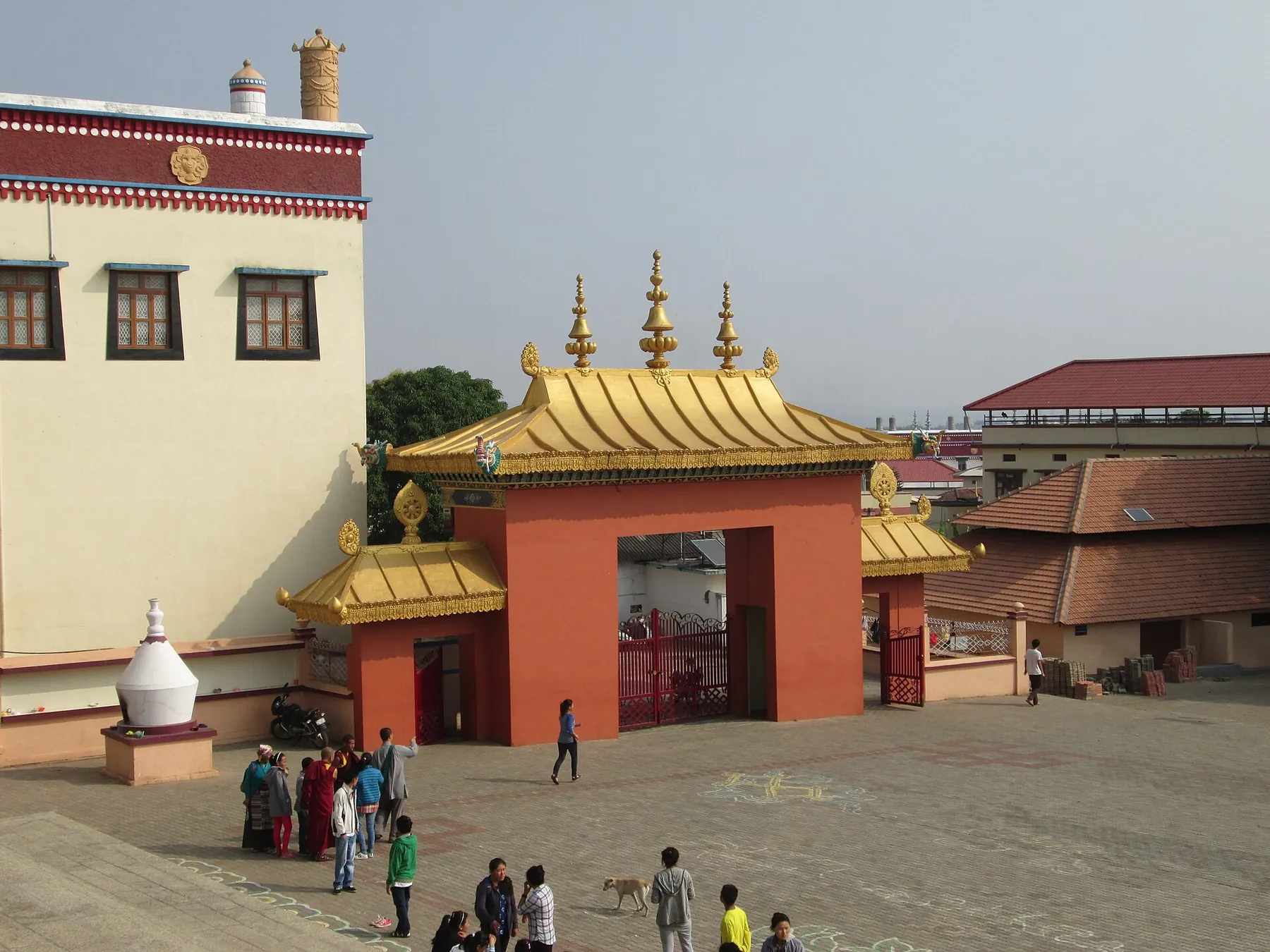
Written from Sera Jey Monastic University · Bylakuppe, Karnataka
Darpa Pandita Tibetan Buddhism, written from inside a monastery
Darpa Pandita is a Mongolian monk at Sera Jey, and this is his site. The Geluk tradition, the school of His Holiness the Dalai Lama, explained by somebody living it: the teaching, the vocabulary, the mantras, the history, and the wider Buddhist world beyond this hill.
Who writes this
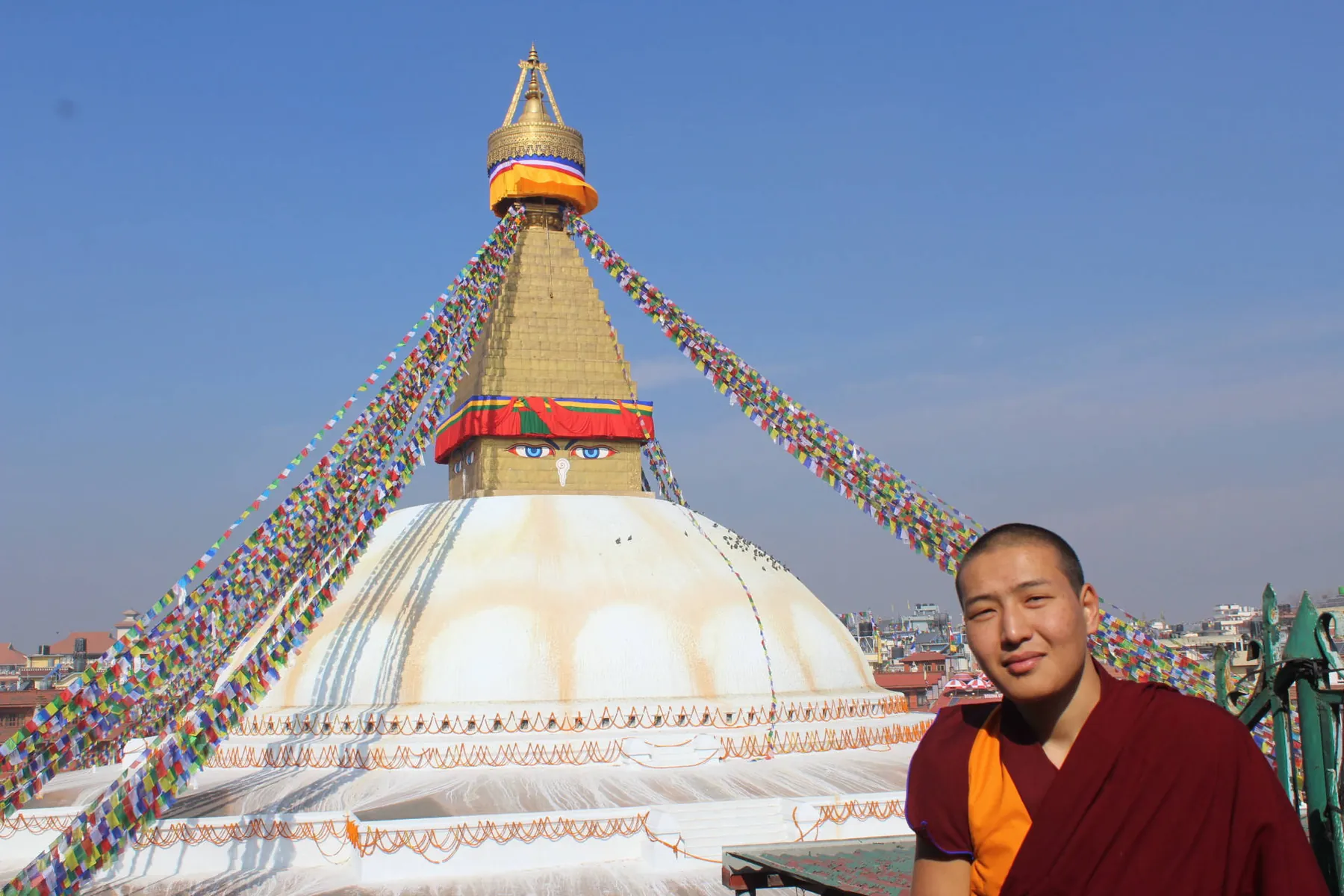
Darpa Pandita is a monk from Khövsgöl in northern Mongolia, studying at Sera Jey Monastic University at Bylakuppe in Karnataka. He came here at about ten years old and has perhaps ten years still to run before the geshe degree.
The name is not a pen name. It is a line of recognised incarnations that begins in Mongolia in 1637, and he is the seventh of them. The first one studied at Sera too, went home in 1678 and founded a monastery that stood until it was burned in 1932. The whole story is here, with its sources.
That is where this site is written from rather than what it is about. The point of it is the tradition itself: what it teaches, what the words mean, what is actually recited, where it survived and where it did not, and how to find your way into it from anywhere in the world.
Whose site this is → · About Sera Jey → · How this site sources its facts →
The monastery this is written from
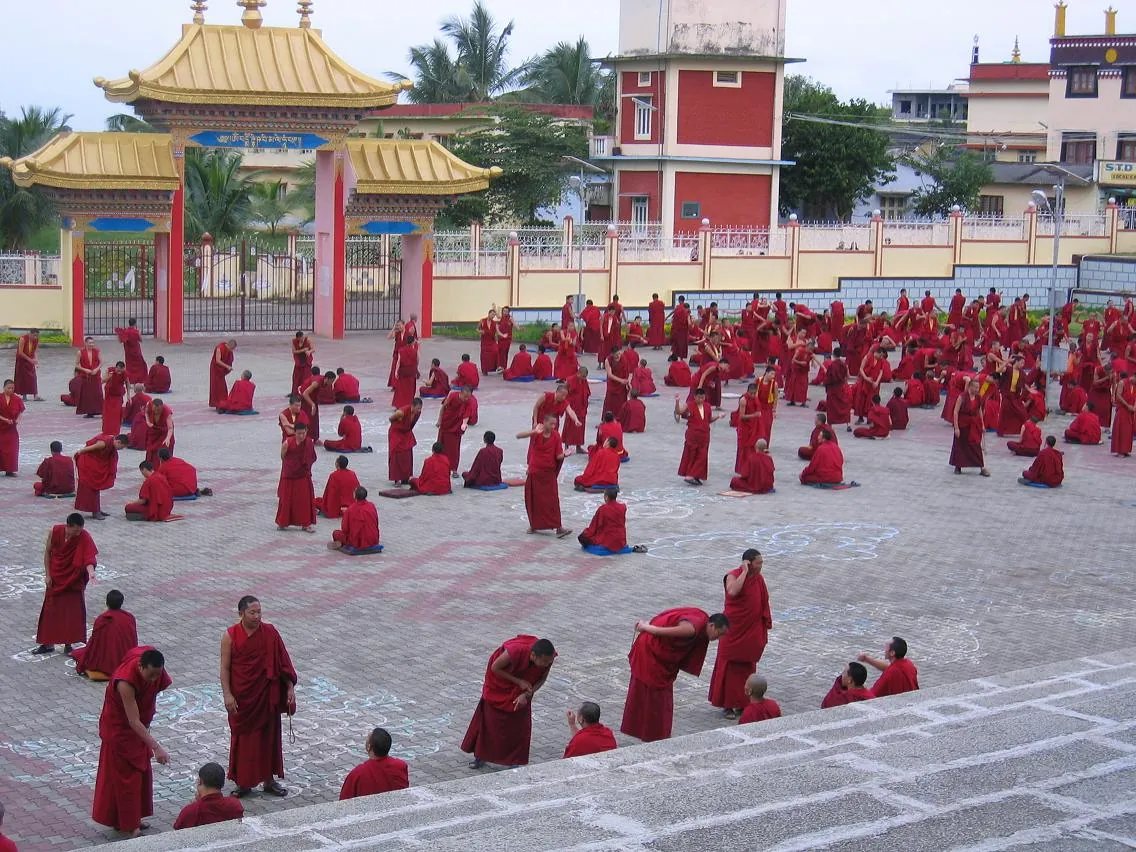
A university whose classrooms have no walls and whose examinations are shouted
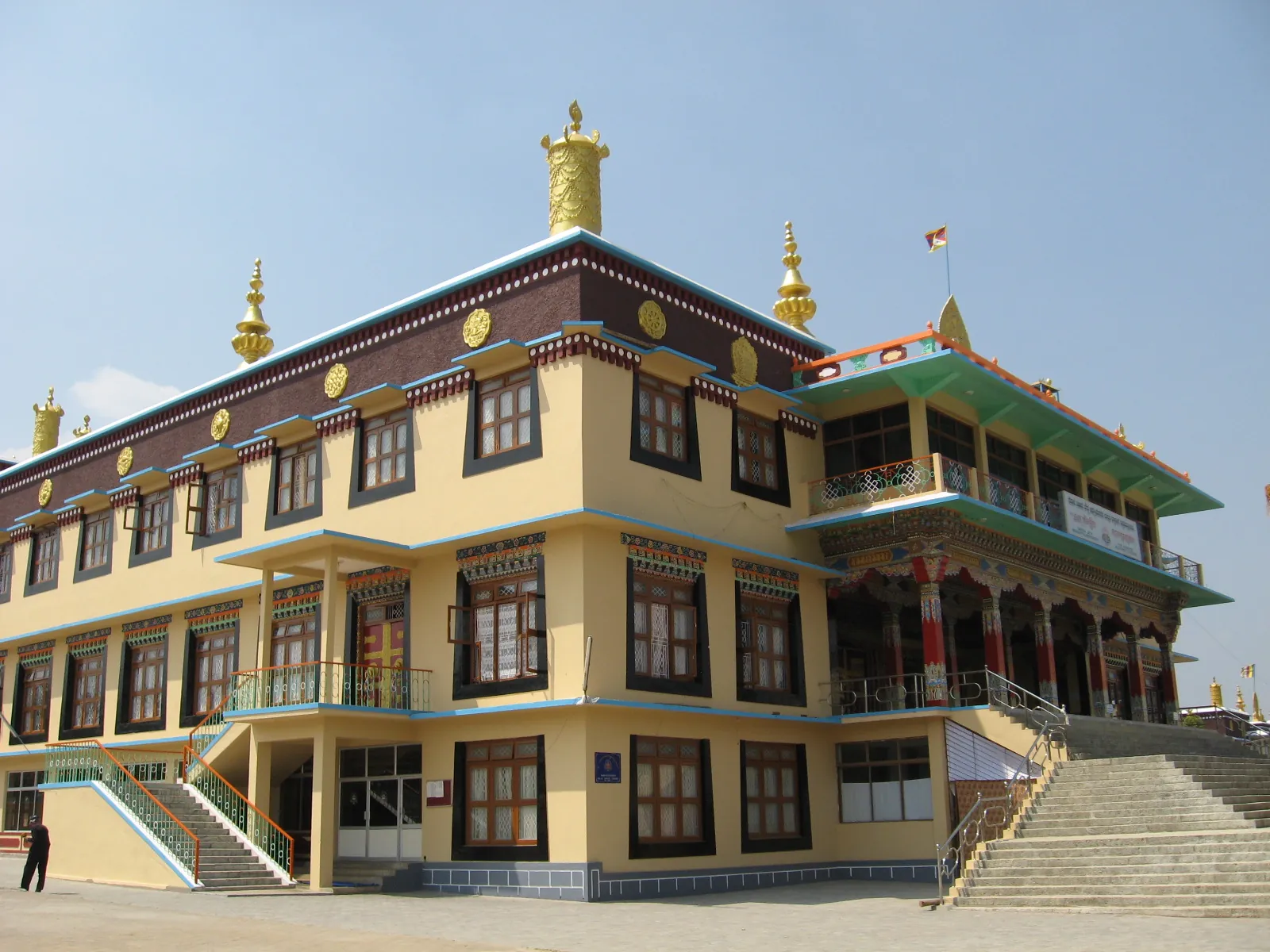
Sera Jey is one of Sera's two philosophical colleges, alongside Sera Mey, and one of the three great seats of the Geluk order founded around Lhasa in the fifteenth century. Its subject is the mind: what can be known, how knowing goes wrong, and what a person becomes when it stops going wrong.
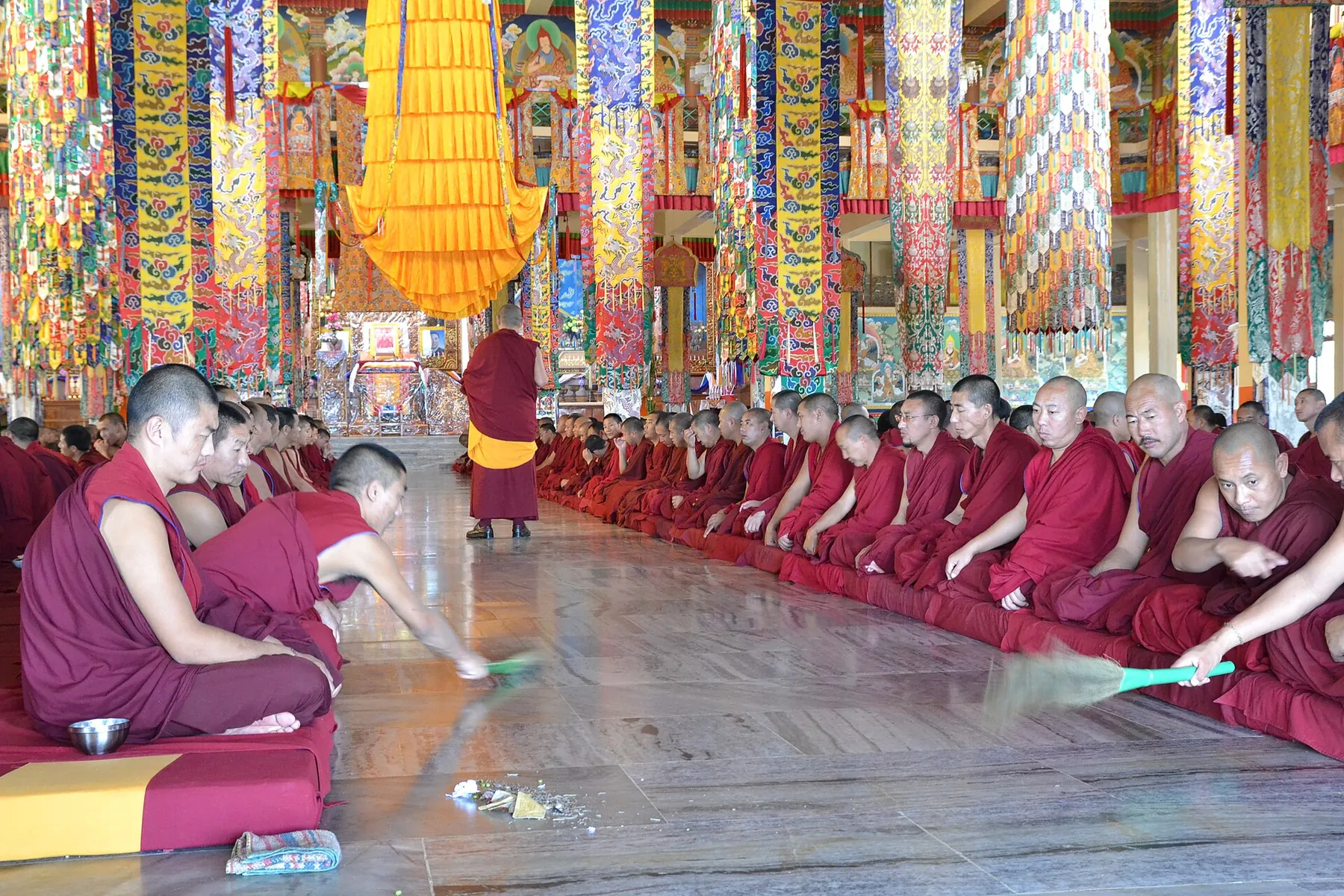
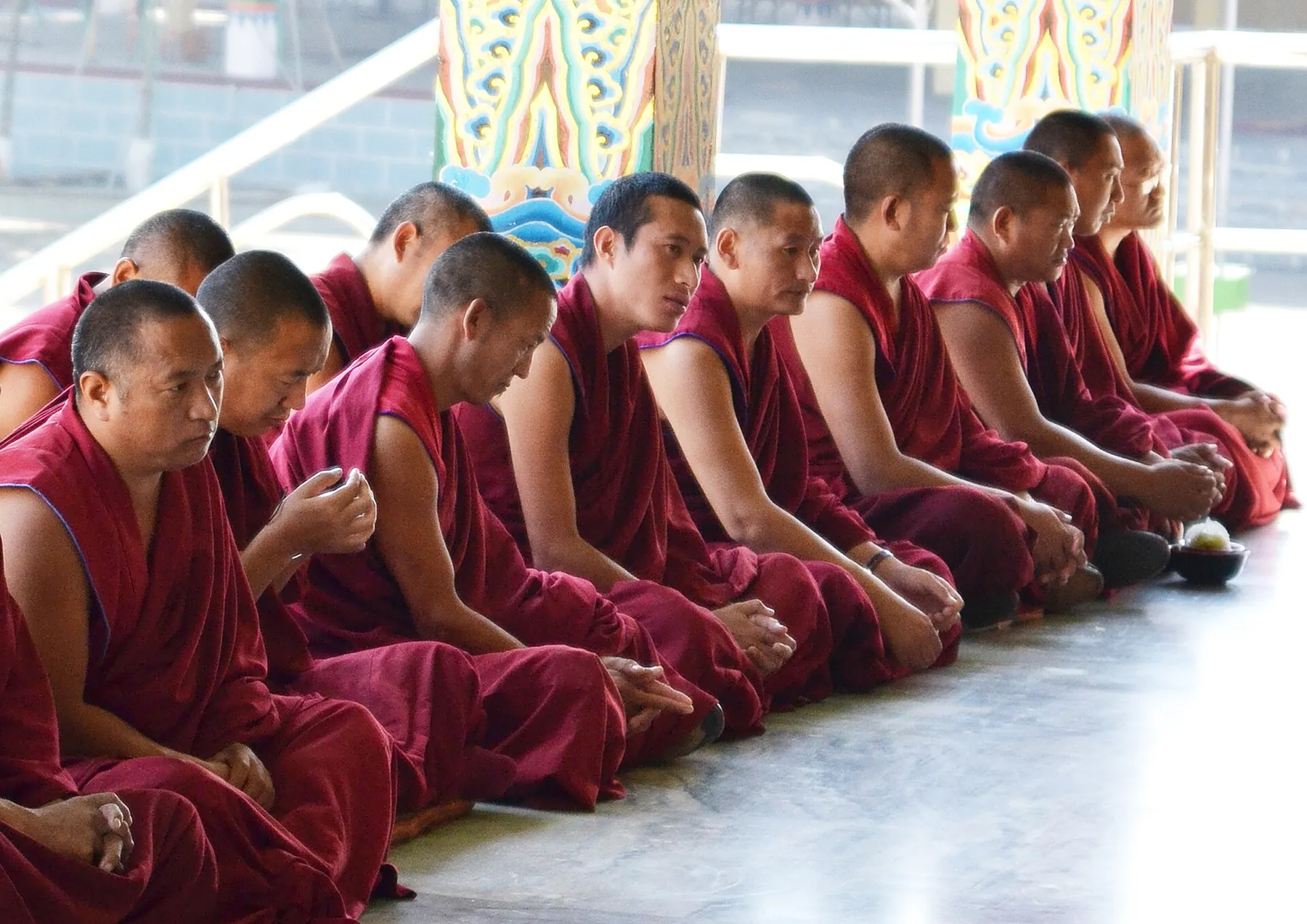
The method is debate. Every afternoon the courtyard fills with maroon; a standing monk claps a challenge down onto a seated opponent, who must answer it or lose the ground he stands on. Nothing is accepted because a teacher said it. This is what a Geluk education is: not the memorisation of doctrine, but the public dismantling of one's own certainty, repeated daily for two decades.
The short history
Carried out of Tibet in memory, rebuilt in a Karnataka forest
When the monastery was destroyed after 1959, what survived was not the buildings. It was the curriculum, held in the heads of the monks who walked to India. In 1970, 197 Sera Jey monks and 103 from Sera Mey were resettled on 225 acres of forestland near Bylakuppe. They cleared it themselves, farmed it, and taught in it, and rebuilt an institution that now holds thousands.
Acres granted
Forestland allotted to Sera Jey and Sera Mey together in 1970, three-quarters of an acre per monk.
First houses
One-room tiled houses sponsored by the Government of India for the first 300 monks. The monks did all the building labour themselves.
Pillars
Supporting the great assembly hall of 1997, 23,275 sq ft, seating an assembly of 3,500.
Degree-granting
Affiliated to the University of Mysore, the first Tibetan monastic institution in India to award a recognised BA (Hons).
Find your way in
Five doors
Start from wherever you are: from nothing at all, from the history, from the daily rhythm, from the writing, or from the vocabulary.
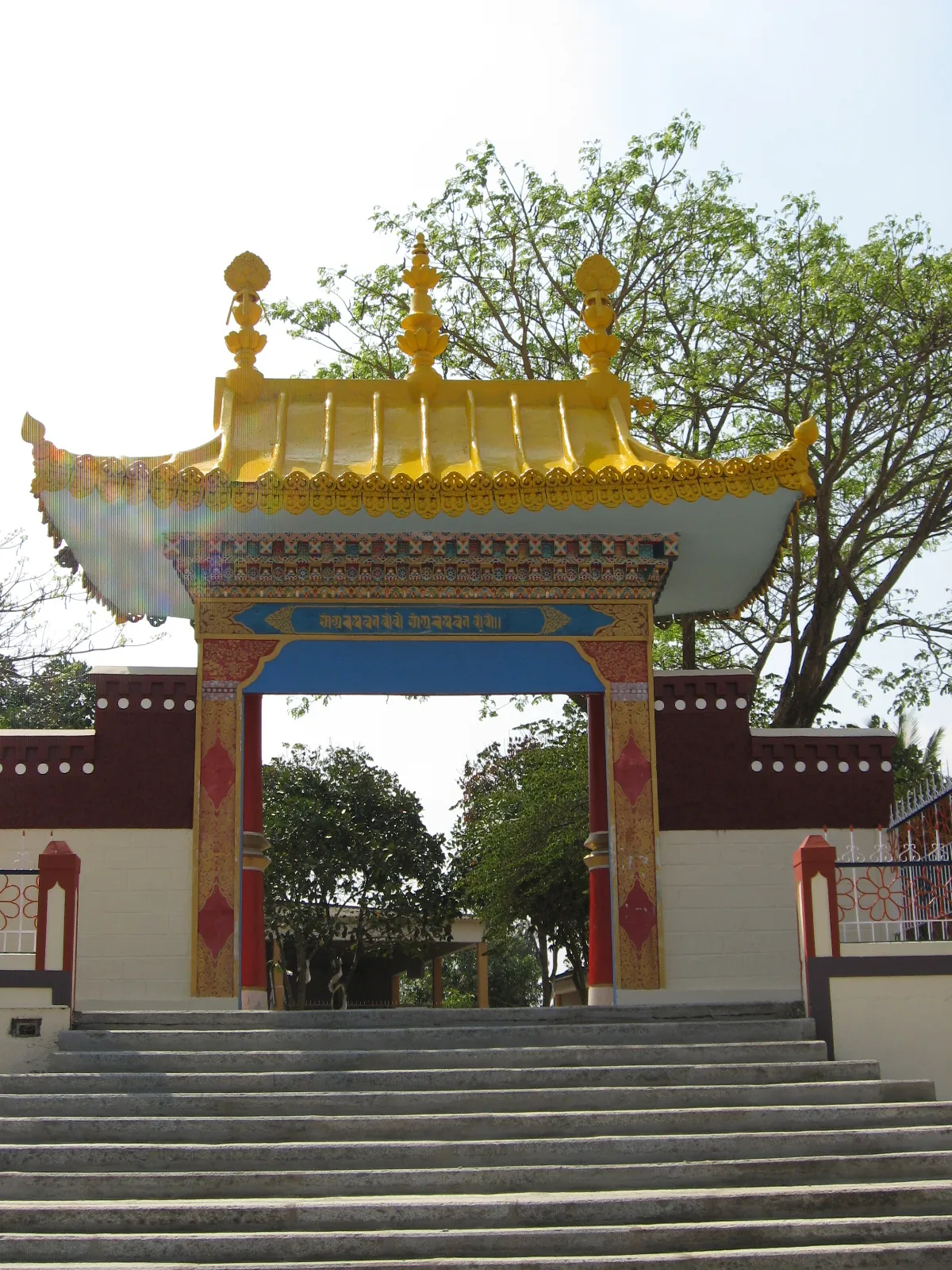
Buddhism from nothing at all
What it actually claims, what to read first, what to do in your first month, and why and how to find a teacher. Written for somebody who knows none of this yet.
Founding, exile, and what stands here now
Six hundred years in one chronology, from Jetsun Kunkhen Lodrö Rinchen Senge to the modern degree programme.
The day, and the year
Dawn prayers, the shape of an ordinary day, and the festivals that mark the Tibetan year at Bylakuppe.
Writing from inside the tradition
Essays and dispatches: what Tsongkhapa actually reformed, what a mala is for, what happened here in 1970.
The words, plainly explained
Geshe, yigcha, khangtsen, śūnyatā, lamrim, a working dictionary of the terms this tradition actually uses.
Where it is
Eighty kilometres west of Mysuru, in the red earth of Periyapatna
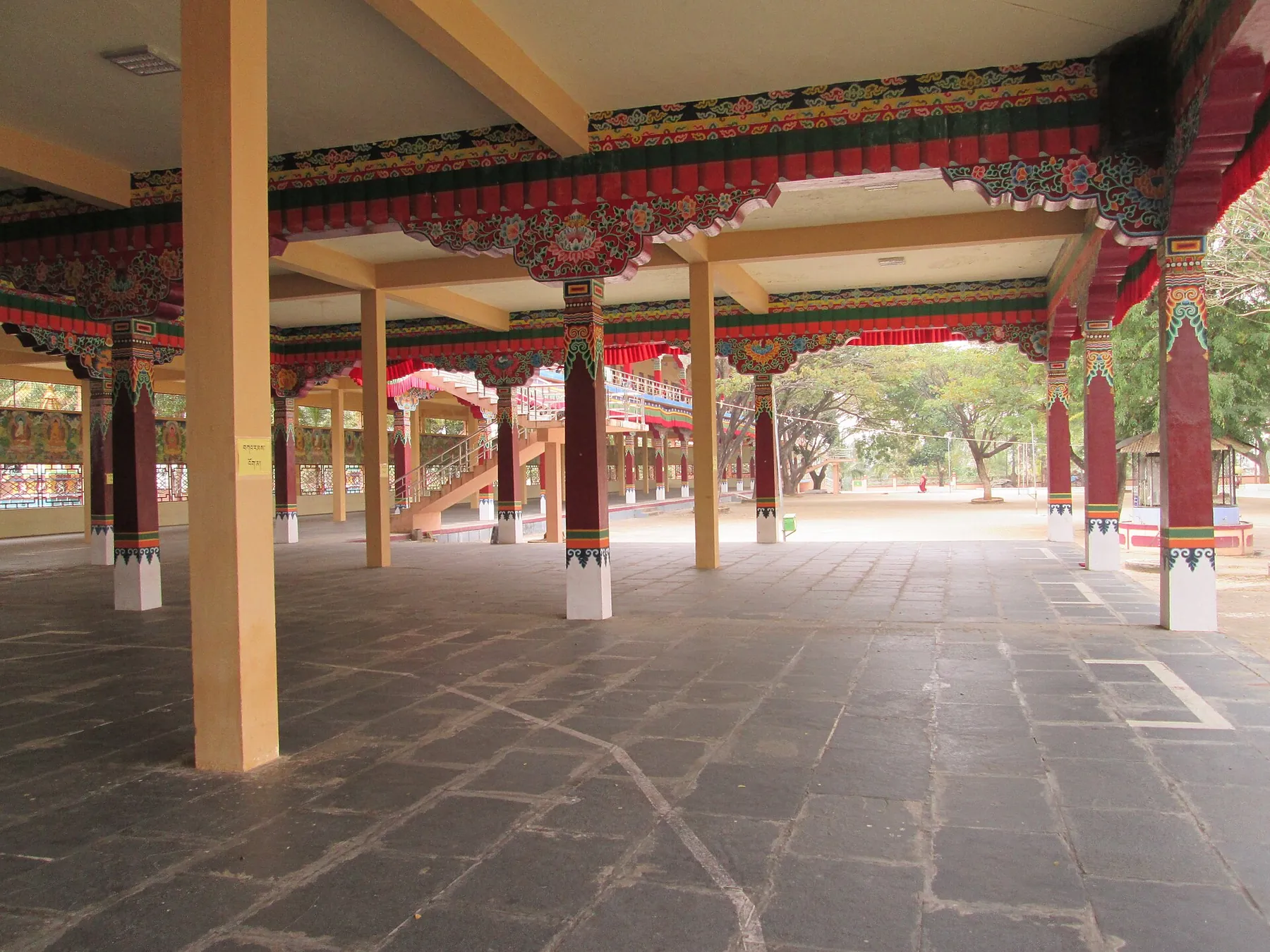
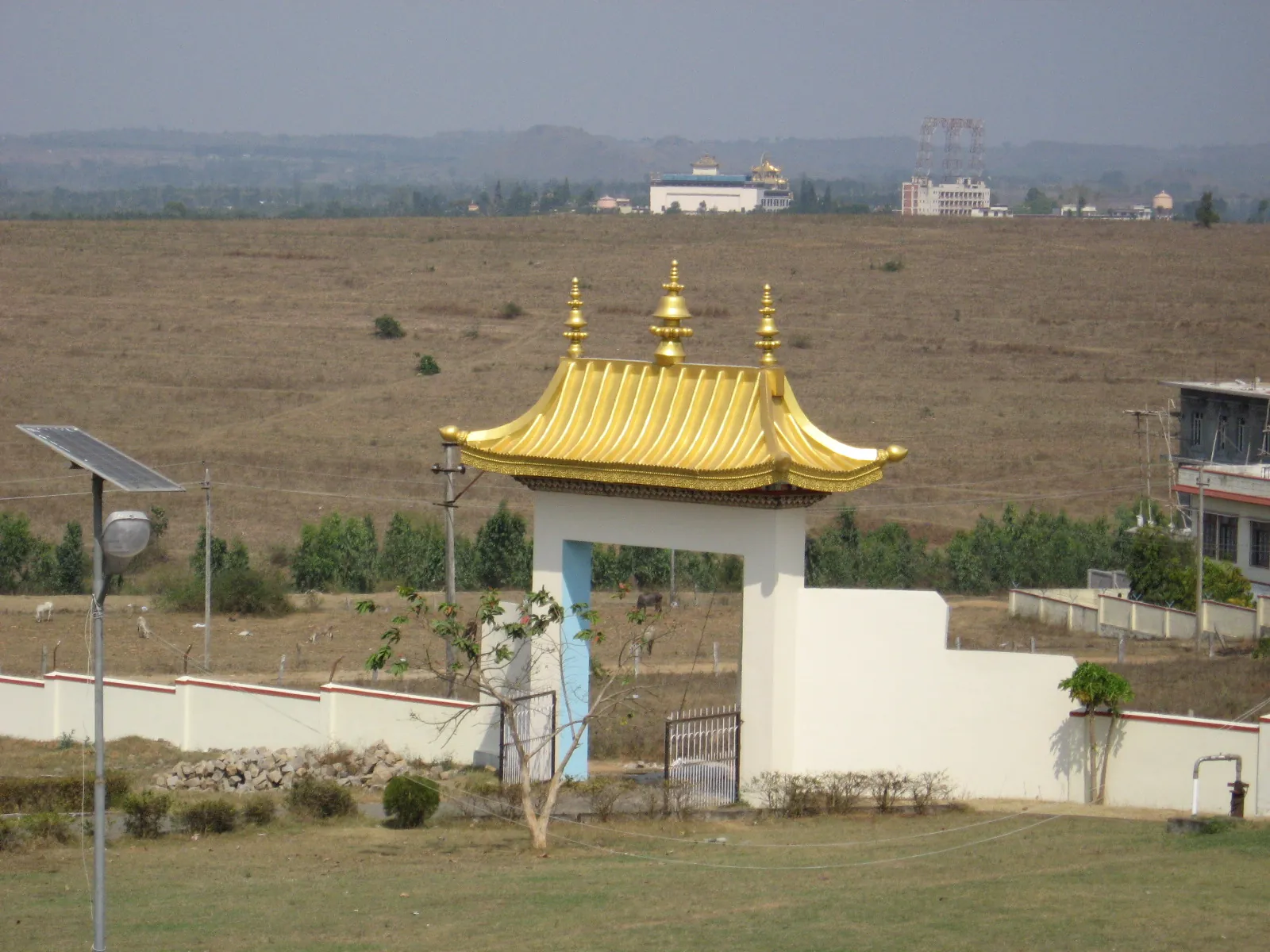
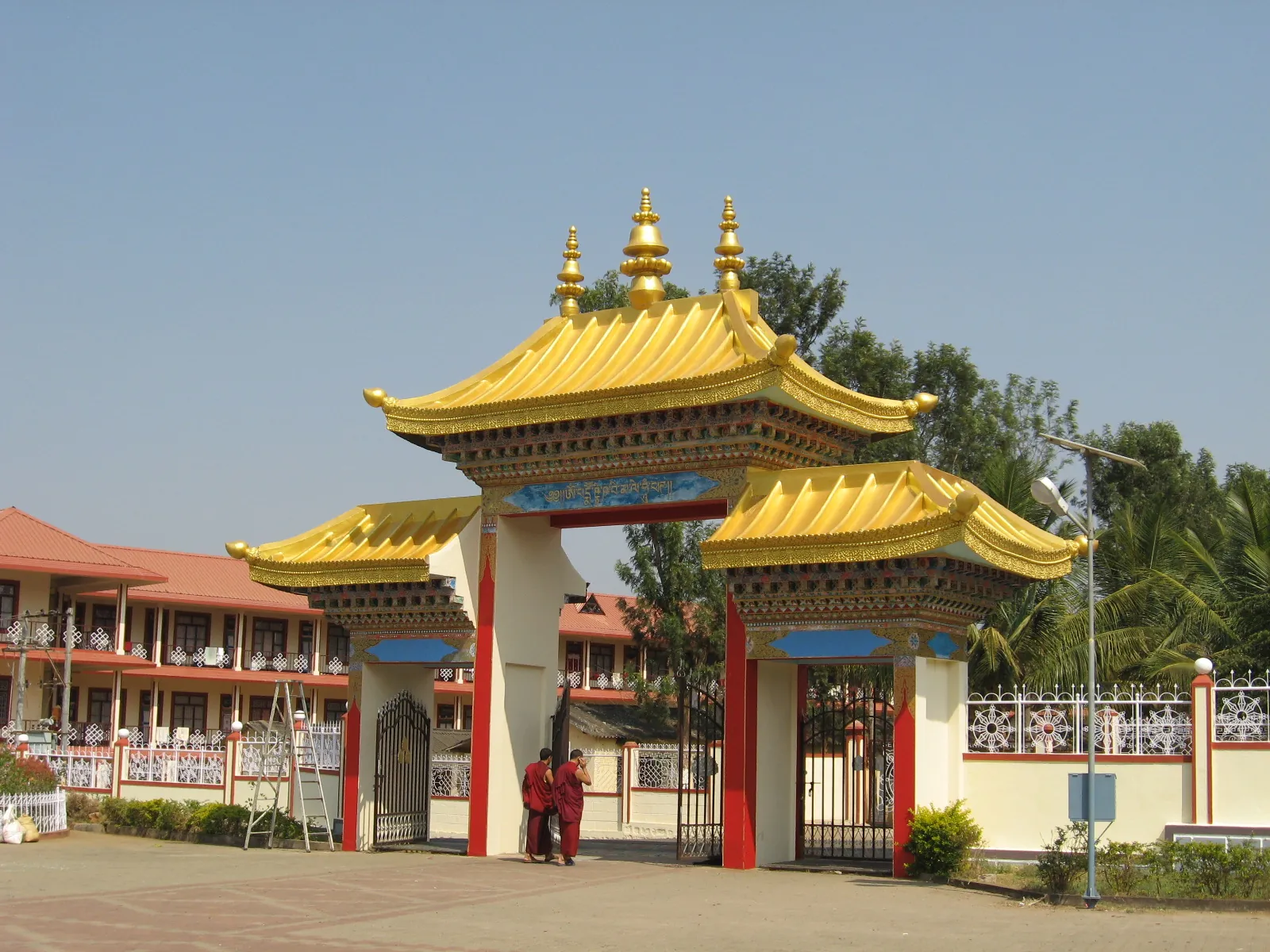
Sera sits inside the Lugsung Samdupling Tibetan settlement at Bylakuppe, the first and largest Tibetan resettlement in India, established in 1960 on land given by the Government of Karnataka. The monastery grounds run flat and green between paddy fields, with the Western Ghats rising to the west.
- By air
- Bengaluru (BLR), about 269 km, roughly six hours by road. Mysuru airport is nearer but thinly served.
- By road
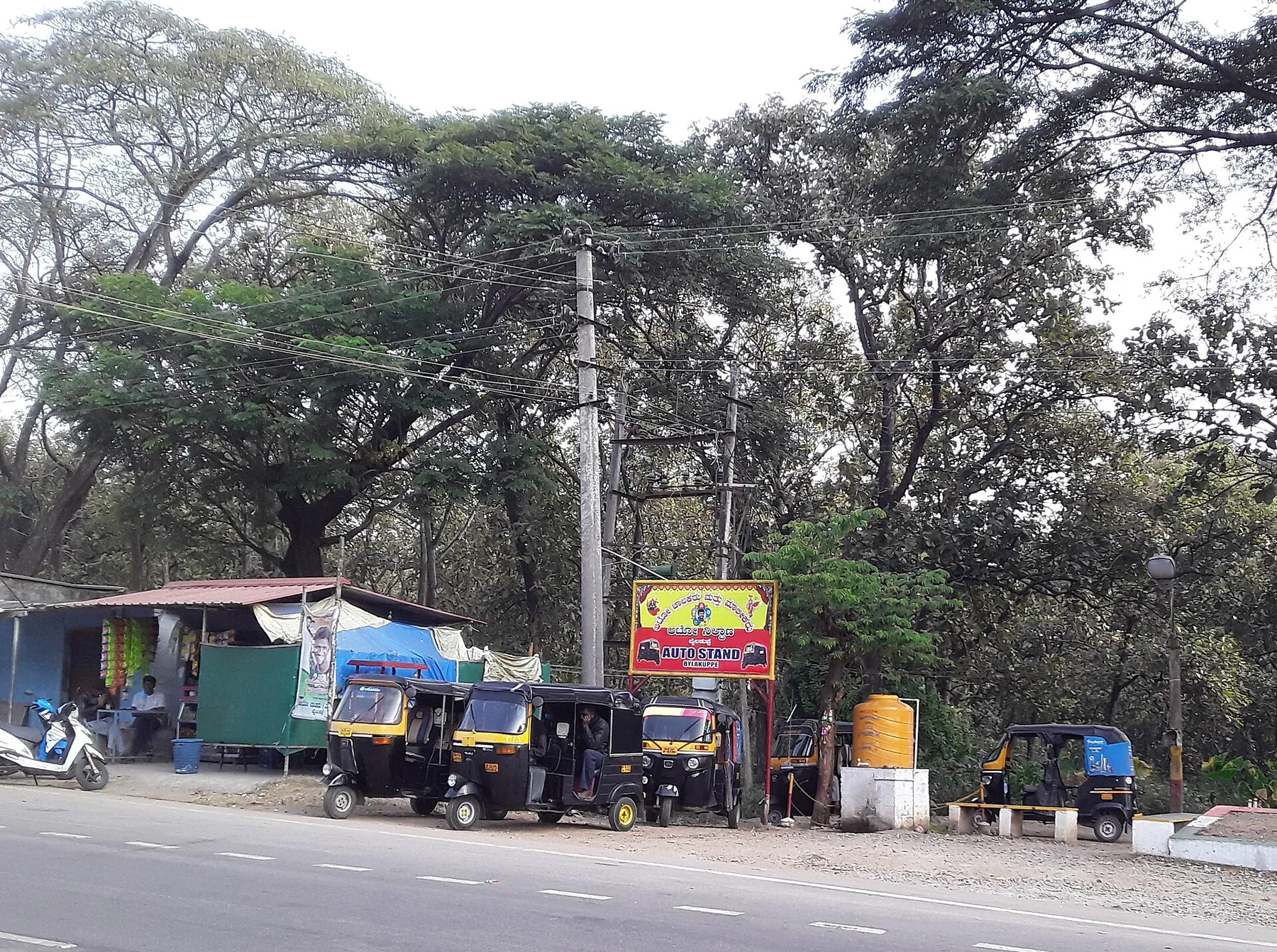
- ~80 km from Mysuru via Hunsur; ~6 km from Kushalnagar on the Coorg road.
- Coordinates
- approx. 12.4196° N, 75.9523° E
A sister site
The degree, written by somebody who has it
Venerable Geshe Dashnyam Byambatseren is a Mongolian monk of this monastery and personal secretary to the Darpa Pandita. He completed the five great treatises here between 2003 and 2021 and defends his Geshe degree at Sera Jey before more than four thousand monks in October 2026. The curriculum, the debate courtyard, the degree and the titles are set out on his own site rather than here, because he has spent twenty-five years on them and this site has not.
“Do not accept my teachings merely out of respect, but analyse and check them the way a goldsmith analyses gold.”
Photographs
The grounds
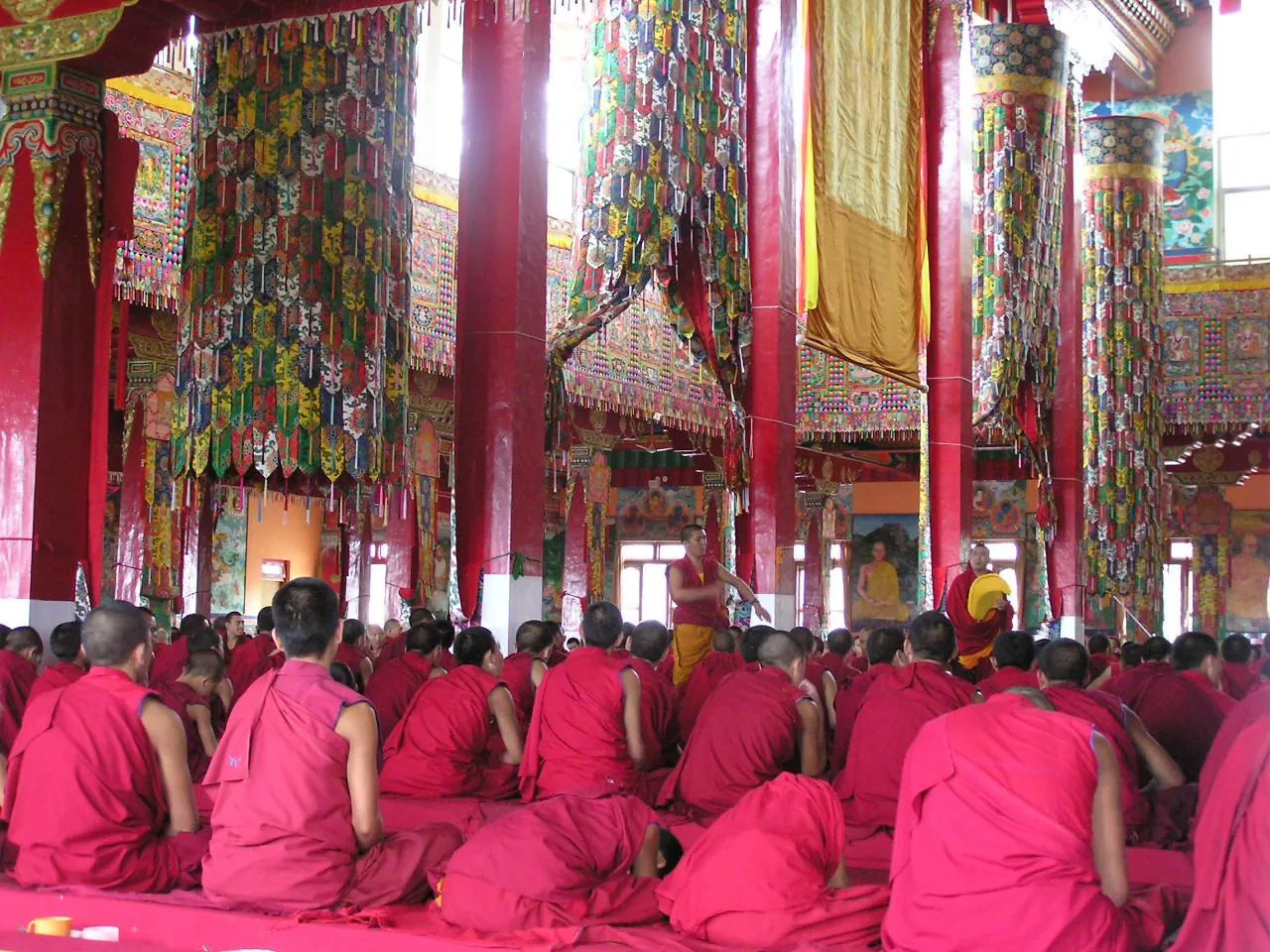
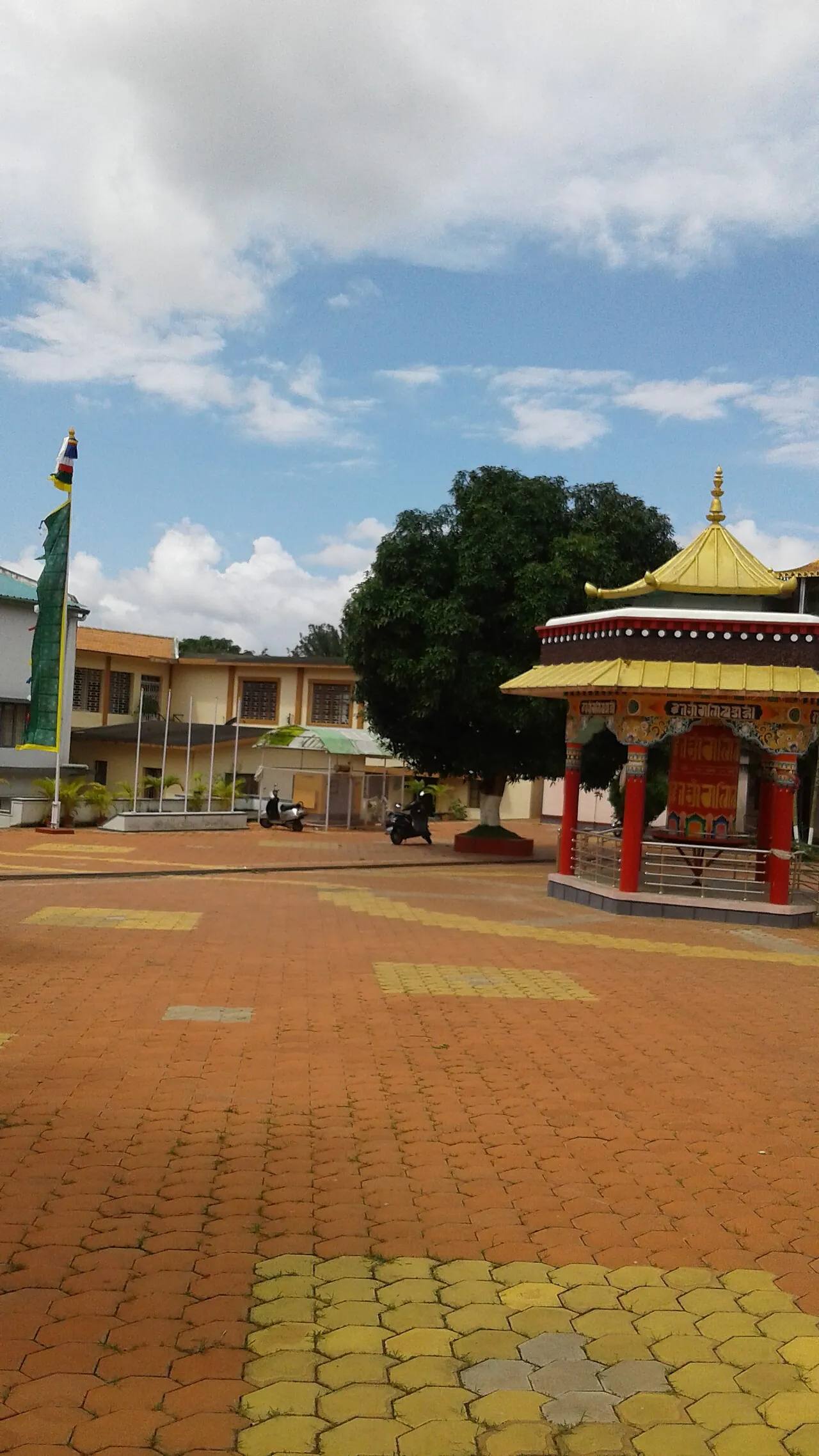
Sources
References
This page summarises what the rest of the site sets out at length. These are the sources behind the figures quoted above.
- 1About UsSera Jey Monastic University
The founding by Jetsun Kunkhen Lodrö Rinchen Senge, the two administrations, the Geshe Lharampa degree, the 75th abbot, and the affiliated centres abroad.
- 2Re-establishment at BylakuppeSera Jey Monastic University
The 1970 move: 197 Sera Jey and 103 Sera Mey monks, 225 acres at three quarters of an acre per monk, 147¾ acres to Sera Jey, 38 tiled houses, and the first assembly hall of 1976 to 1979.
- 3About UsSera Jey Foundation
Current enrolment of more than 4,800 monk-students, and the 2022 University of Mysore affiliation.
- 4The Gelug Monastic Education SystemStudy Buddhism
The five great treatises, the sequence of study, and the structure of the Geshe degree.
- 5Centres, projects and servicesFPMT
The directory of 138 centres in 34 countries, transcribed country by country.
- 6Wikimedia CommonsWikimedia Foundation
The source of every photograph and portrait on this site, all freely licensed.
Every factual claim on this page rests on one of the sources above. Links open in a new tab. The full list for the whole site, and the standard this site holds itself to, is on the sources page.